


40 Years: Rapping Up the Reflections: Kids Are Still Kids

Last Friday, with the end of our final faculty and staff meeting of the 2025-26 school year, I finished my 40th year as an educator. I have used this space throughout the year to reflect on some changes I have experienced in schools over my four decades as an educator, as well as elements of school that have never changed. The topics I have touched on include: The Joy of Joy (April), The Faculty Hiring Process (March), Snow Days (February), School Communications (January), Daily Class Schedules (December), Technology in Schools (November), Boards of Trustees (October), and Aspiring to be Fresh, Not Stale (September).
Spanning 1985 to 2026, both pivots and throughlines are numerous. I am proud and happy to say that the most consistent thread over my 40 years involves the children: JK-12th-grade children remain wonderful to be around.
I remember my first experience with teachers who did not see those wonders. A colleague of my 22-year-old self, I’ll call her Mrs. Johnson, was a lounge rat. I, too, was in that faculty lounge of our K-12 school in Oklahoma City a lot, for a few months. Then I realized I was at risk of catching Grumpy Old Teacher Syndrome (GOTS). Mrs. Johnson would hold court in that faculty lounge for all who would listen; actually, her “court” extended to plenty of our colleagues who were not intending to listen. She had GOTS. Mrs. Johnson had a primary symptom of the disorder, repeating regularly her assessment that “Kids were not what they used to be.”
The vow I made to my rookie self was that I would hang it up, leave teaching and coaching, if I ever got GOTS. Why did Mrs. Johnson, why would anyone, continue to put so much time and energy into something so frustrating? If, indeed, I ever felt that “Kids are not what they used to be,” I would not want to continue being an educator.
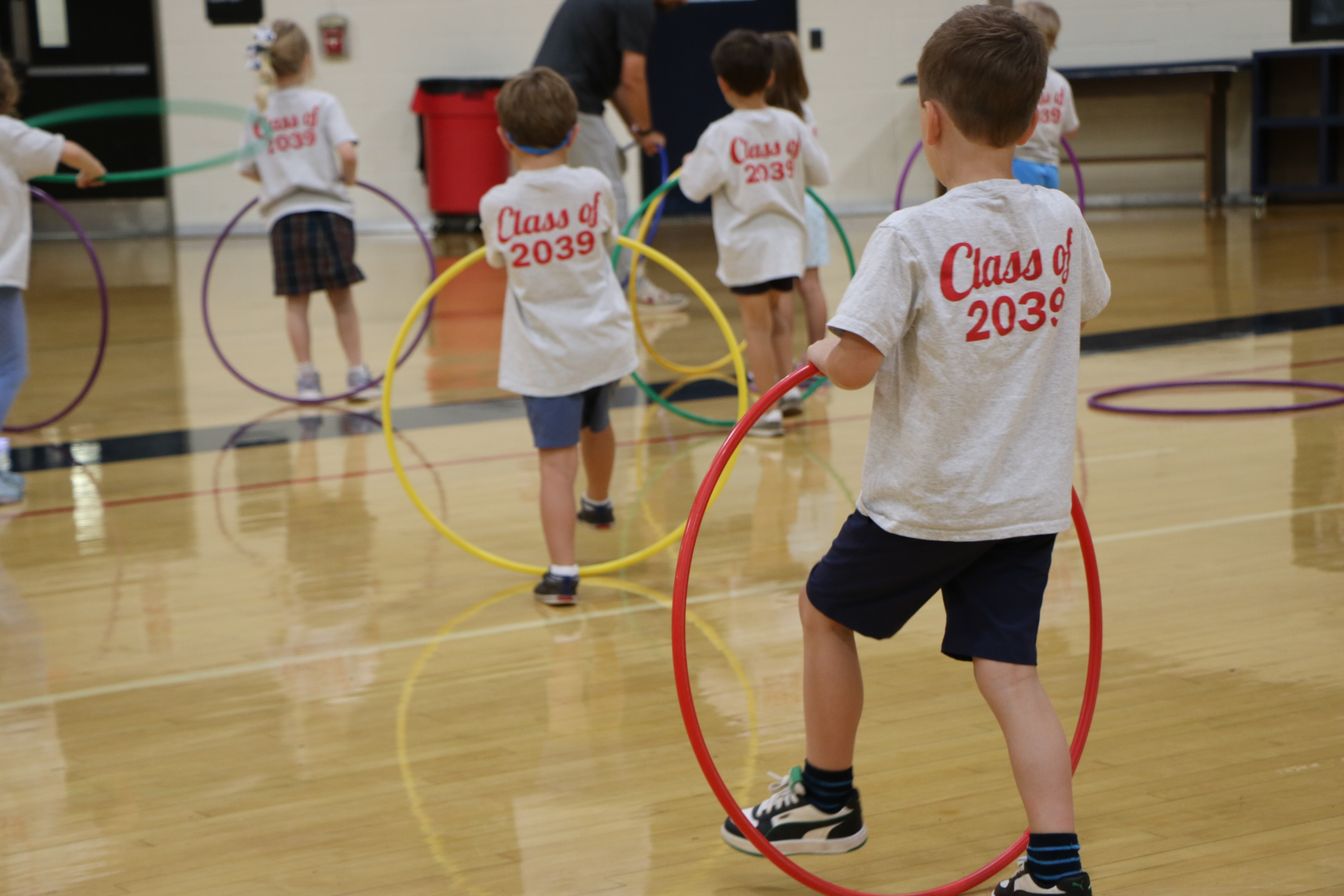
I not only remain an educator 40 years later, but I remain one who feels so fortunate, so privileged, to be with 5- to 18-year-olds at least 170 days of the year. There is so much evidence, in fact, that kids ARE what they have always been. Their props have changed, from pencil and paper to keyboard and internet, and sometimes the age at which they are exposed to certain ideas and experiences has lowered, but, for the most part, 5-year-olds are still 5-year-olds and 18-year-olds are still 18-year-olds.
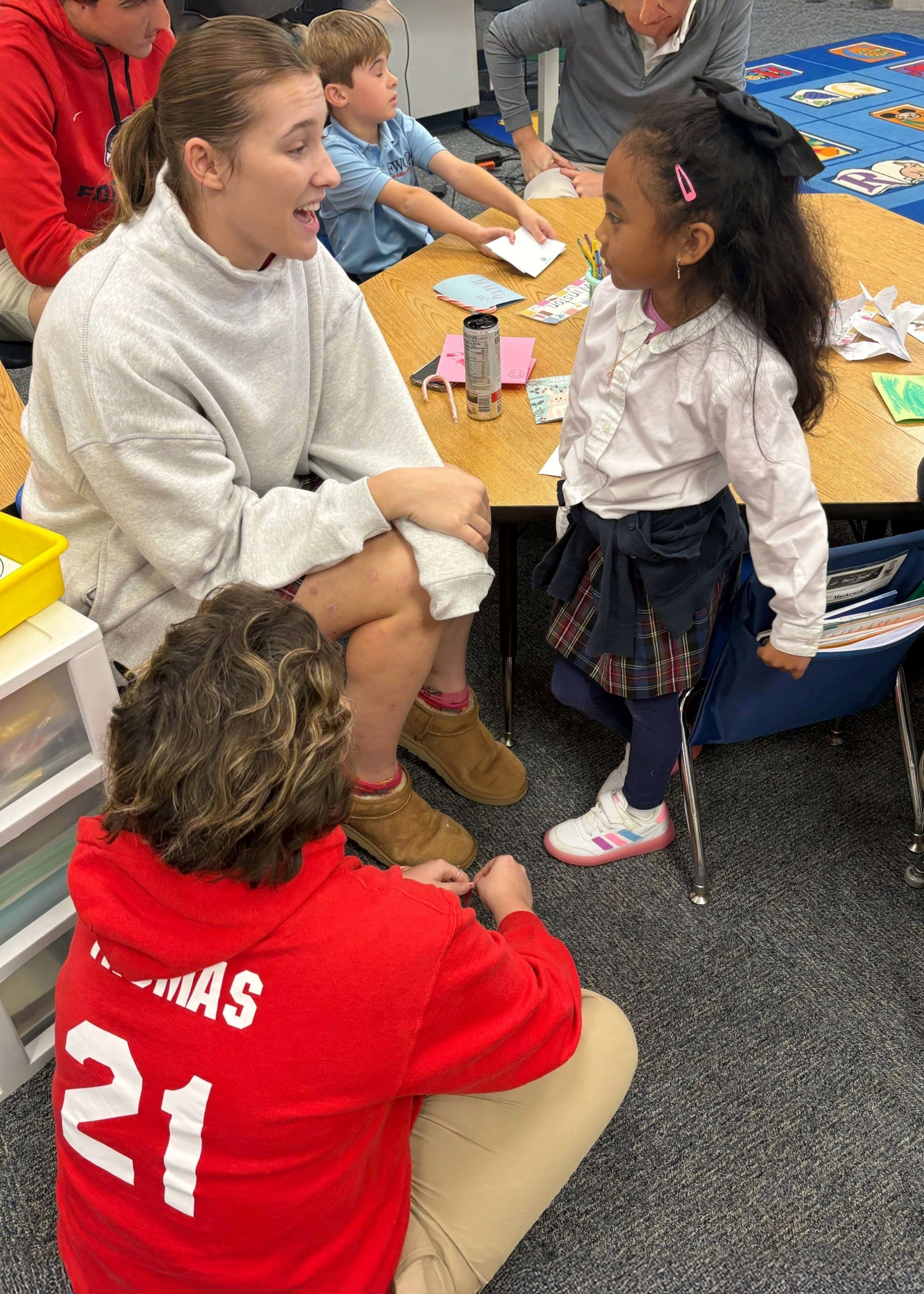
Allowing for incredible variety from real child to real child, there are clearly constants in what and who school children are. Five-year-olds like to hold hands with each other and with adults. Twelve- and 13-year-olds can look deceptively mature, often having grown to adult sizes, even though they are still incredibly young in so many ways. And, at the end of the run, 18-year-olds pretty consistently become understandably critical of adult decisions and rules. The criticism is to celebrate: These young adults are establishing their independent thinking. All of the students on our watch follow that same progression.
Writ large, the constancy of that maturation process is so compelling. To have had, for 40 years, a front-row seat to the miraculous developmental cycle of 5-year-olds evolving into 18-year-olds is an enormous privilege. The maturation, development, physical, emotional and intellectual growth over the 13 years that students are with us in JK-12 schools is as astounding in 2026 as it was in 1986.
One goal we have as adults in the lives of JK-12 students remains to help them meet and even exceed their apparent potential, as artists, athletes and students. An imperative is that the adults in those students’ lives provide so much more: We are role models and, at Fort Worth Country Day, we are empowered by and obligated to our Core Values. Students 40 years ago needed mentors and, occasionally, correction. Students today have the same needs. We remain so fortunate to have parents and families as partners in the work of guiding students to be the best versions of themselves and to make the world a better place. That is the calling I answered in 1985, and it remains the same 40 years later.
.jpg "FWCD’s 60th Commencement")



.jpg "My First 40 Years: Snow Days, Then and Now")