


Points of Pride: Stealing Good Ideas, Constant Improvement, Curricular Audits
When I was a puppy teacher in the early 1990s, my colleague, Ramien Pierre, a History Teacher and Volleyball Coach with me at the K-12 Head-Royce School in Oakland, California, wryly commented, “Originality in education is way overrated.” I remember the line because, 35 years later, I use it a lot.
One of my favorite aspects of being an educator is that educators like to share their discoveries, their techniques, their “secrets.” It is so very common for us to take ideas from each other and apply them to our students. I have always thought this was fundamentally based on the essence of being an educator: We want all students to learn, not just our own. We sense that we, as educators, are all on the same team, helping the next generation(s) maximize their potential.
It might sound odd to be making a point of pride out of something we are “stealing.” The fact is that it is not original to us at FWCD to do departmental curricular audits. I brought the idea with me from a previous school where I taught, St. John’s in Houston. St. John’s took the curricular audit concept from Ravenscroft in Raleigh, North Carolina. I like to think we have made some really valuable improvements on the model I first saw at St. John’s.
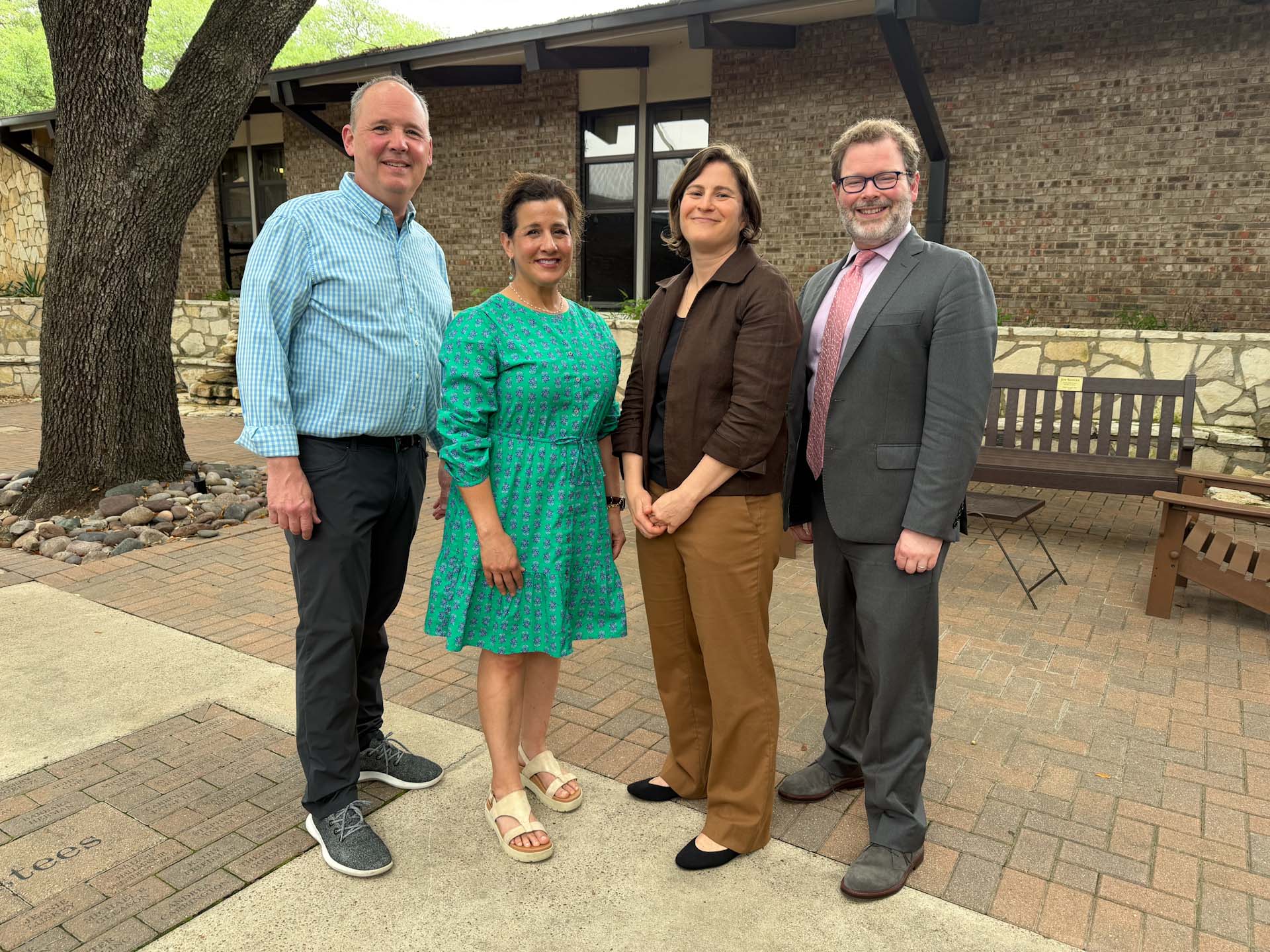
After a short hiatus, we have begun our second audit “lap” around our departments. This week, our History Department worked with four History Teachers, one each coming from the University School in Milwaukee, Rye Country Day School, Mary Institute and (Saint Louis) Country Day School (MICDS), and the University School of Nashville. Identified by FWCD’s Assistant Head of School for Student Services and Academics, Dr. Amy Witten, the foursome met online with Dr. Witten and History Department Chair Colin Douglas ’06 to prepare. In work mostly done over the summer, the History Department members had done significant due diligence, updating curriculum maps and collecting sample assessments, while, most importantly, identifying the specific topics on which they wanted feedback on their teaching and their planning.
At the end of these visits, we task our “auditors” with creating a report for our internal use. The audit is not required by any accrediting organization. It is entirely our initiative and can be used by our team as we see fit. We get feedback comparing us to the schools our auditors come from and to best practices in general. We get lists of resources for professional development that our auditors have vetted. We get ideas for areas of programming and teaching where we might focus our attention, in this case this week, our history department, kindergarten through 12th grade.
The entire process is the stuff of gold-standard educating. It is in keeping with our desire to be a school that is always looking to improve. The visiting committees have no compulsory power. It is up to us to apply the observations and suggestions in their report. The opportunity our faculty have to get feedback on their teaching is essential to our constant improvement, and, therefore, to our students’ constant growth.
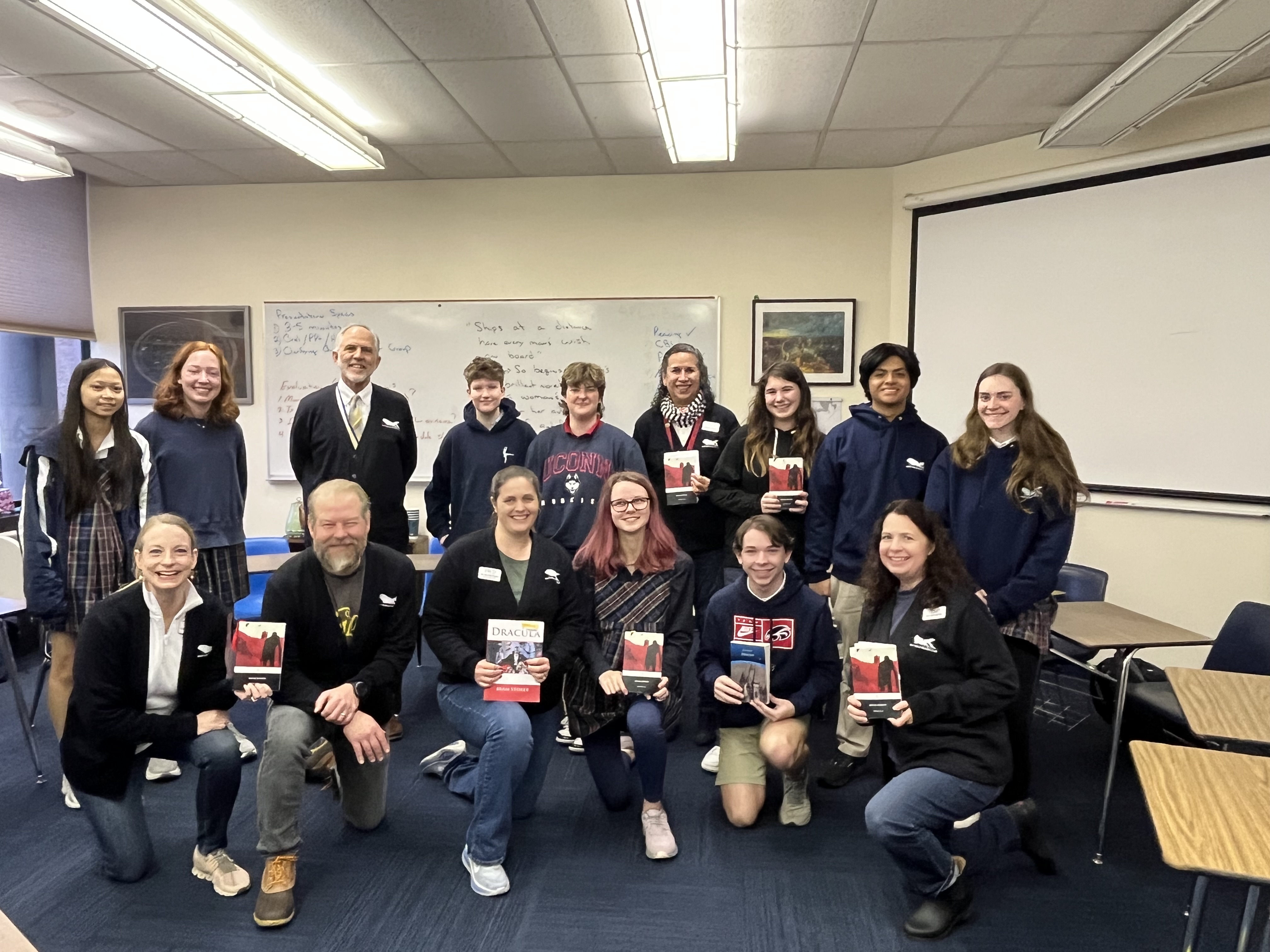
Pictured above are the visiting History Department Auditors: Chuck Taft (University School of Milwaukee), Connie López (University School of Nashville), Carla Federman (Maryland Institute and Saint Louis Country Day School) and KyleMitschele (Rye Country Day School).

.jpg "My First 40 Years: Snow Days, Then and Now")