

Upper School Students Attend Interscholastic Colloquium
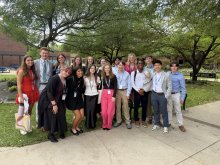
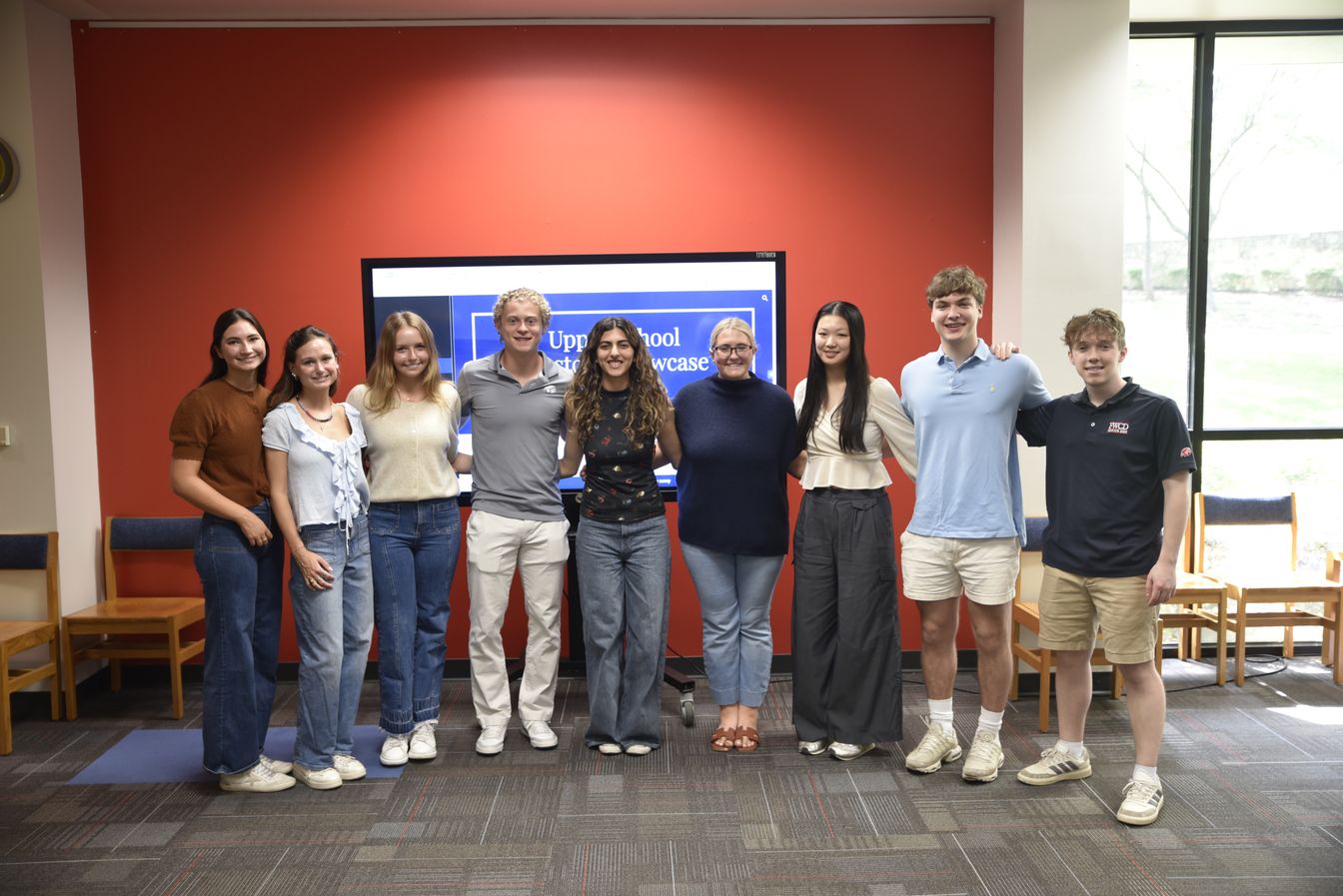
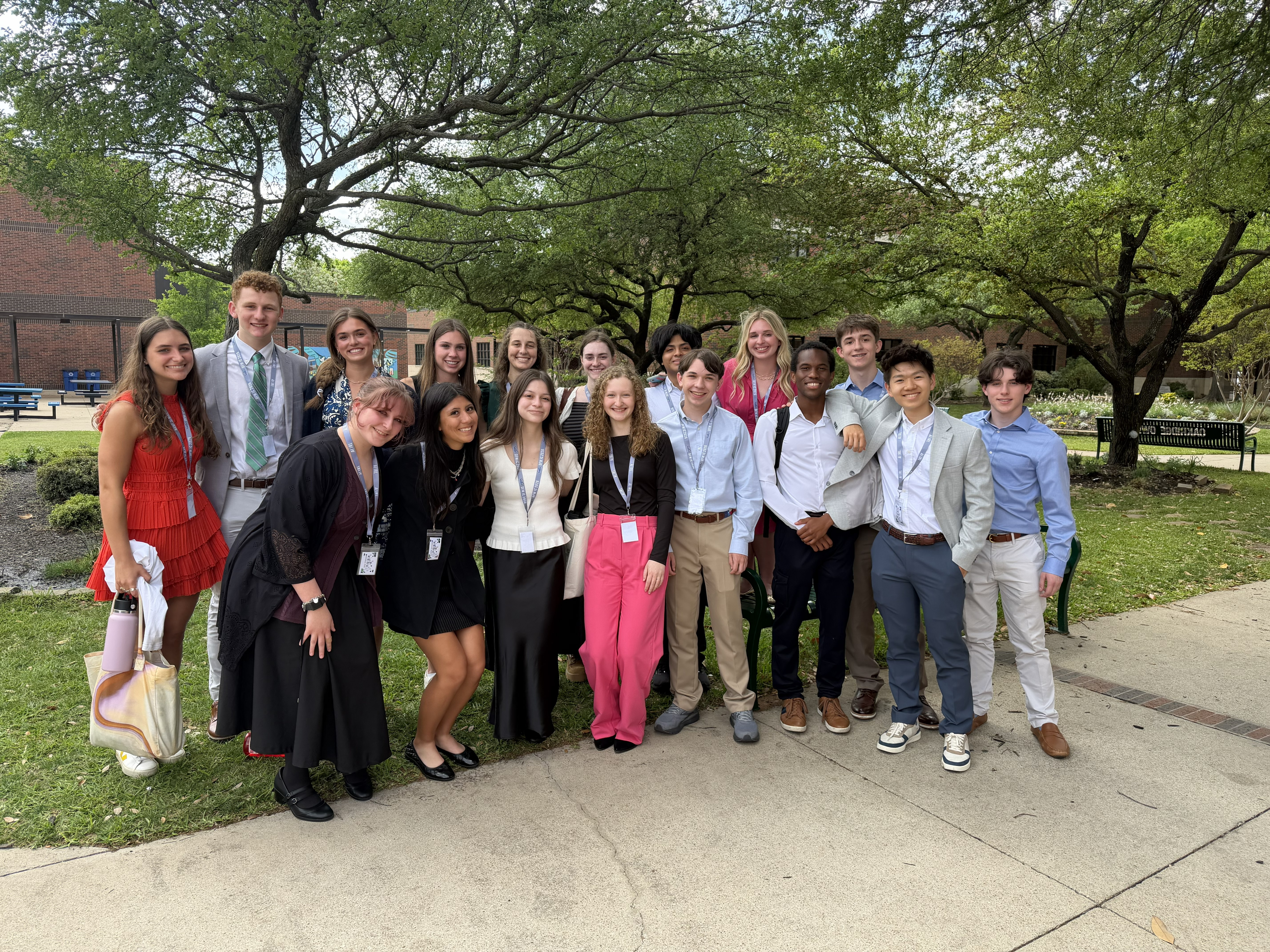
On Thursday, April 2, 17 FWCD AP English Literature and Composition students attended an Interscholastic Colloquium hosted by The Oakridge School titled “AI IRL: Artificial Intelligence in Real Life.” In addition to Oakridge and FWCD, students from Cistercian Preparatory School and The Hockaday School participated. This marks FWCD’s 10th year participating in the DFW Interscholastic Colloquium, which began at Oakridge in 2013 and has since been hosted by numerous DFW ISAS schools. FWCD will host next year’s event.
The colloquium brings together students and educators from across the Dallas-Fort Worth area to engage with a shared set of texts – writing, creating and ultimately discussing their interpretations with one another. “The goal is for students to not only analyze literature, but to engage in conversations with students about their unique perspectives and interpretations of the text,” said English Department Chair Catherine Collins-Vecino.
Traditionally structured as a “paper conference,” the colloquium challenges students to present and defend their ideas in both written and oral form. This year, students were given a list of dystopian, science fiction and nonfiction texts on which they could base papers or artwork. The colloquium focused on the central question of what it means to be human.
FWCD AP English Literature and Composition students read Frankenstein and a few other shorter texts centered on technology and human interaction/dependence on it. Students then wrote papers that synthesized at least two texts and explored what it means to be human and how our understanding of humanity and our ability to be fully human is affected by culture, specifically considering the roles of gender, race, age, cultural norms and/or political/religious expectations.
In preparing their work, students grappled with complex questions: How does the text challenge or redefine what it means to be human? How do our cautionary tales describe a culture’s fears and desires? What are the consequences – intended or not – of limiting or shifting human experience based on what culture defines at any particular moment in time? What fears do those in power use to control others who may or may not be afraid? How does culture affect a person’s ability to be “fully human”? How does what you discovered within the texts support or conflict with your own preconceived notions and/or biases regarding what it means to be human?
For Collins-Vecino, the experience extends beyond literary analysis. “I hope our students gain confidence not only in writing about a text but also in presenting and defending their ideas, both in writing and orally,” she said. “I hope they gain confidence in speaking with authority on a topic and in fielding tough questions about their claims. It is really unique for high school students to be able to orally present and defend arguments. Our students are asked to do that both at these colloquia and with their sophomore government policy papers.
“I want our students who are attending to have the experience of hearing other students from area schools defend their arguments and to engage in rich and meaningful conversations about texts with people outside of FWCD, Collins-Vecino continued. “I want them to grapple with both shared and divergent interpretations of a text.”
English Teacher Leigh Block added, “The colloquium gave our students a chance to hear other thoughts on texts we’ve read and discussed in class. This is so impactful because the adults in the room are ‘flies on the wall.’ It’s the students driving the discussions, presenting ideas, asking questions.”
Juniors Lila Aitelli (“The Uniqueness of Being Human”), Charlie Cady (“Curiosity vs. Technology”) and Sean Hong (“The Mirror of Humanity”) were selected to read their essays at the colloquium.
FWCD students also attended a panel discussion on AI in real life and sessions featuring original student artwork, fiction, a short film, and numerous paper presentations on the topic.
In addition to Aitelli, Cady and Hong, juniors Evie Blan, Miles Brown, Trinity Contreras, Ally Dykes, Elisha Evans, Michael Head, Elizabeth Moses, Cate Moulard, Gavin Renteria, Genevieve Rudner, Martha Wynn Senter, Emmy Strathmeyer, Ty Williams and Blake Wood attended. Upper School English faculty members in attendance were Collins-Vecino, Block, Daniel Lancaster and Bennett Mitchell.
For students, the day offered more than an academic exercise; it provided an opportunity for students to test their thoughts and ideas in a broader intellectual community.
.jpg "The Class of 2026 By the Numbers")